
Kerala High Court Suggests Renaming of ‘Kodathi Vilakku’ Ceremony at Guruvayur Temple
Kochi | July 2026
The Kerala High Court has asked the Guruvayur Devaswom managing committee to reconsider the name of one of the ceremonies conducted during the temple’s annual Ekadashi festival — ‘Kodathi Vilakku’. While the court found nothing objectionable about the ceremony itself, it observed that the name could give an unintended impression of a connection between the ritual and the judiciary.
Background of the Case
The matter came before a Division Bench of the High Court following a petition filed by the Guruvayur Devaswom Board, prompted by a complaint from the Administrator of Gurubaba Ashram, Guruvayur. The complaint alleged that the ceremony continued to be held despite an earlier order restricting it in 2022, and that such celebrations diminished the spiritual significance of Ekadashi Vratham observed at the temple.
The complaint also sought a broader ban on similarly named ceremonies linked to various institutions, including those associated with the police, postal department, and certain banks operating in the vicinity of the temple.
What the Court Observed
After hearing all sides, the Bench held that there was no evidence to show that the Vilakku was conducted in a way that conflicted with constitutional or institutional values, or that any judicial officer was ever required to take part in the celebrations. On this basis, the court found no grounds to prohibit the ceremony.
However, the judges did note that the name ‘Kodathi Vilakku’ — referring to the courts — could create a perception of institutional association between the judiciary and a religious observance, even though no such formal link exists. Taking this into account, the court suggested that the Devaswom managing committee consider an appropriate renaming of the ceremony going forward.
About the Tradition
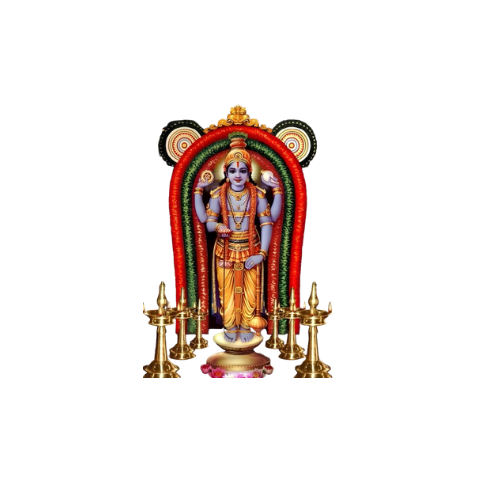
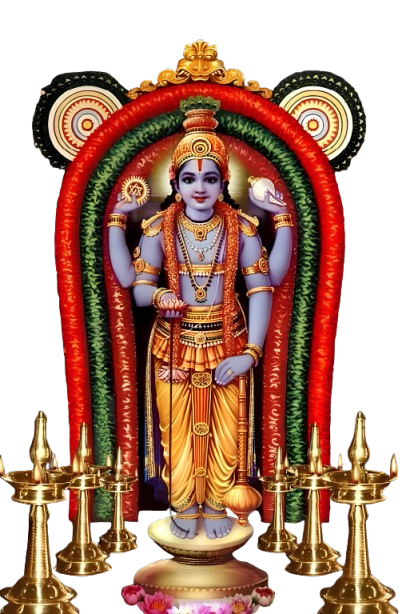
As explained to the court, ‘Kodathi Vilakku’ is a form of Chuttuvilakku offered during the Guruvayur Ekadashi festival, a tradition believed to date back to the era of the Zamorin rulers. Over generations, the temple received support for these Vilakku celebrations from prominent families, government departments, and institutions in the region — including banks, the postal department, the police, and the local judicial establishment. Among the eighteen Chuttuvilakku observed during the festival, ceremonies are traditionally associated with different institutions, including a Vilakku offered by members of the legal fraternity practising before the local court.
The temple and the celebration committee clarified before the court that participation in these events has always been voluntary, drawing devotees across professions and, notably, people of various faiths who join in the festivities held outside the sanctum.
Moving Forward
The Guruvayur Devaswom managing committee is now expected to take up the court’s suggestion and deliberate on a suitable new name for the ceremony — one that preserves its devotional character and long-standing place in the Ekadashi festival while addressing the concerns raised regarding its current name.
The temple administration reiterates its commitment to conducting all festival observances in keeping with the sanctity of the Ekadashi Vratham and the inclusive spirit that has long defined the Guruvayur tradition.
This post is based on the Kerala High Court’s recent order and information shared with the court by the Guruvayur Devaswom managing committee.
